Practical Ways to Make Healthcare Easier for Every Patient
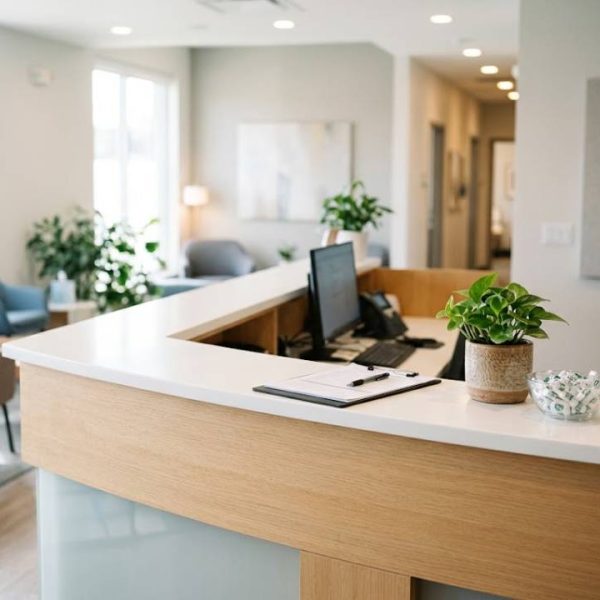
Visiting a clinic should feel supportive, yet many patients find it confusing. Waiting rooms are full of forms, appointments are hard to book and instructions are not always easy to follow. For people who speak another language at home, the challenge is even greater.
This article shares practical ways to make healthcare easier for every patient, with ideas that clinics, families and community groups can use right away.
Make the First Contact Friendly
The first phone call or visit sets the tone. A warm greeting, a clear explanation of what happens next and a calm pace help patients relax.
People remember how they were treated long after they forget the details. Train front desk staff to listen first and explain second.
Offer Simple Booking Options
Allow appointments by phone, online and in person. Send reminders by text or call, in the patient's preferred language.
Reduce the number of steps needed to book, and confirm every appointment clearly with date, time and address.
Use Plain, Respectful Language
Avoid jargon and explain terms in everyday words. Check understanding by asking patients to say in their own words what they will do next.
This approach is gentle, effective and works in any language.
Follow Global Health Guidance
International health bodies publish tools on patient safety and communication. The World Health Organization offers resources that many health systems use as a base for their own policies.
Local clinics can adapt these ideas to their own patients and budgets.
Provide Language Support
Patients who struggle with the local language are more likely to miss appointments and misunderstand treatment. Offer qualified interpreters, bilingual staff and translated leaflets.
Avoid asking children or relatives to interpret serious medical information, because it puts them in a hard position and risks mistakes.
Reach Vietnamese Speaking Families
Vietnamese speaking communities live in many countries and often face barriers when seeking care. Clinics that provide a clear english to vietnamese translation of consent forms, instructions and leaflets show respect and help patients follow treatment safely.
Ask community members to review materials, because tone and wording matter as much as accuracy.
Keep Family Records in Order
Clinics often ask for proof of identity or family relationships, especially for children. Birth records, vaccination cards and insurance papers should be easy to find.
Reading about birth certificate translation helps families prepare documents that other countries and institutions will accept.
Make Buildings Accessible
Ramps, clear signs, wide doors and seats for people who cannot stand for long make a visit easier for many patients. Quiet corners help people who feel overwhelmed.
Walk through the clinic as a visitor would, and fix anything that feels confusing.
Respect Time and Waiting
Long waits are frustrating. Tell patients how long they may wait and why, and offer water and a comfortable seat.
If a delay is unavoidable, a simple apology and an update every thirty minutes makes a big difference.
Explain Costs Clearly
Worries about money keep many people from seeking care. Provide clear information on fees, insurance and payment options before treatment.
Written estimates and a named contact person help patients plan with confidence.
Support Mental Wellbeing Too
Health includes the mind as well as the body. Offer information on stress, sleep and local support services, in several languages when possible.
A kind word at reception can matter more than people realise.
Include Family and Caregivers
With the patient's permission, involve family members in explanations. Give them clear written instructions and a number to call with questions.
Caregivers who understand the plan help patients stay on track.
Protect Privacy at Every Step
Keep records secure, speak quietly at the desk and avoid discussing health matters in public areas. Explain who can see a patient's file and why.
Trust grows when patients know that their information is safe.
Listen to Patient Feedback
Simple surveys, comment cards and conversations reveal problems that staff may not see. Ask what went well and what could be better.
Act on the most common comments and tell patients what changed.
Train Teams Regularly
Short, regular training on communication, cultural awareness and accessibility keeps good habits alive. Invite patients to share their experiences in the sessions.
A team that learns together serves patients better.
Create Clear Signs and Directions
Large, simple signs with symbols help patients find reception, restrooms and waiting areas without asking. Use colour coding for different departments and keep wording short.
Walk a first-time visitor through the building and note where they hesitate, then improve those spots.
Make Medicine Instructions Easy
Write dose, timing and purpose on every label in clear words. Add a small picture or icon for each time of day, and offer a printed schedule.
Simple tools like these reduce errors and give patients more confidence at home.
Follow Up After Visits
A short call or message a few days after treatment shows care and catches problems early. Ask whether instructions were clear and whether any questions came up.
Patients who feel remembered are more likely to return when they need help.
Final Thoughts
Making healthcare easier is largely about clarity and kindness. Friendly contact, plain language, qualified language support, accessible spaces and secure records all help patients feel welcome and understood.
Choose one change for your clinic or community this month and build from there. Better communication leads to better care for everyone.