Healthy Eating Guides That Every Family Can Follow
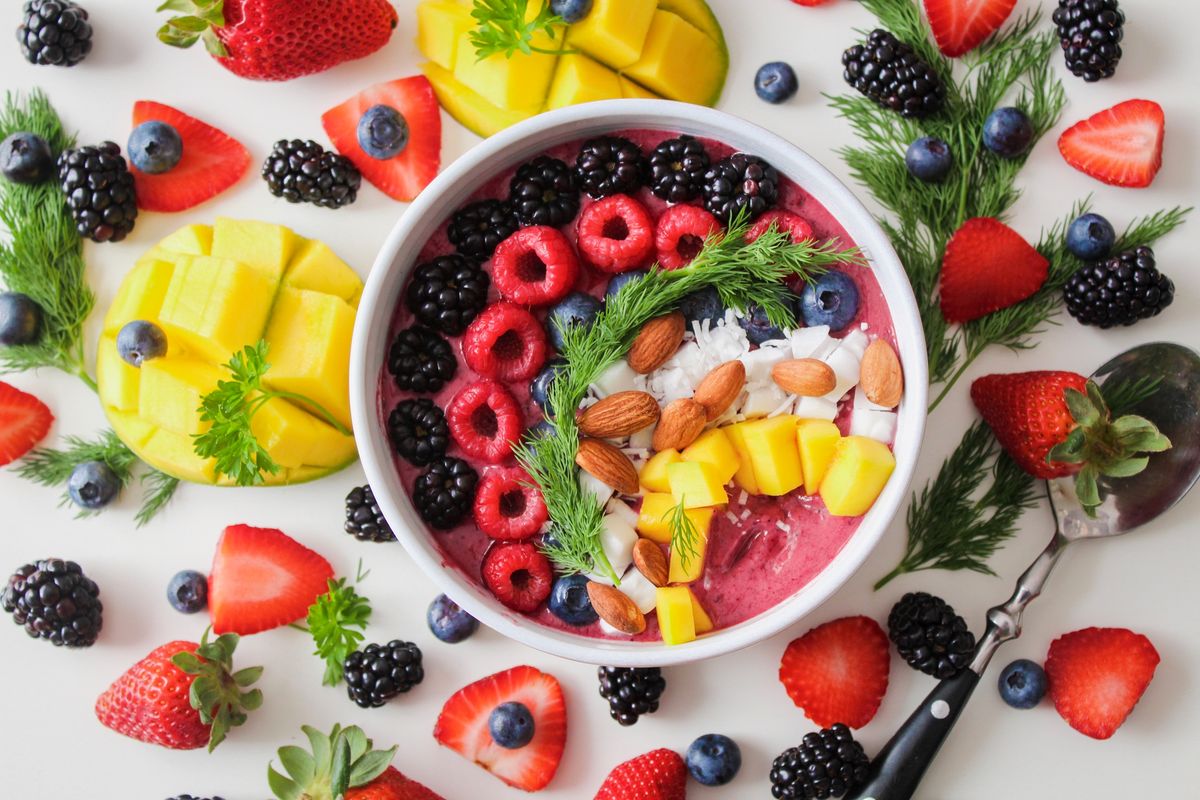
A school canteen in Leicester hands out a healthy eating leaflet at a parents evening. The leaflet lists a weekly menu and warns about nuts and eggs. It is in English only and many Polish and Romanian speaking parents do not read the allergy line. A child with an egg allergy eats a pasta bake that the family thought was safe. The school then prints a second leaflet in a hurry and the damage to trust stays.
Healthy eating advice looks simple and it is not. A meal plan or a food label packs weights and portions and warnings into a few short lines. One misread word can change what lands on a plate. A family that cannot check the line will either skip the advice or follow it wrongly.
Polish and Romanian families make up a large part of the shoppers and diners in British towns. They cook for children and for older relatives and they follow food labels closely. Dietitians and food writers meet them in clinics and on social media every day.
Many nutrition teams plan the content first and the language last. They write the guide in English and then ask a relative or a volunteer to translate it. Small slips in words like serving or portion can change how much a person eats. The language plan must belong to the guide from the first draft.
This article explains how food writers and nutrition teams can prepare healthy eating guides for Polish and Romanian speaking families. It covers meal plans and recipe cards and food labels and where to find public guidance. It is written for small teams with small budgets.
Decide Which Food Texts Matter Most
List every text a family reads about food. Allergy notices and ingredient lists and portion guides come first. Recipe cards and shopping lists and weekly menus follow. A recipe is more than words so a team can ask for transcreation services when a dish name or a tip needs to feel natural to a family and not sound like a copy of the English line.
Create a short glossary before any translation starts. Fix the words for allergen and portion and serving and ingredient and best before date. Add the names of the dishes and the food groups your guide uses. Ask the translator to keep each term identical in every document. This step prevents the quiet confusion that grows when three people translate three recipe cards in three months. Store the glossary where writers and dietitians can both find it and review it when a guide changes. Share it with the canteen staff and the shop teams who speak with families face to face.
Polish and Romanian Need Local Care
Polish translation services for food texts must keep warnings short and clear even though Polish words can be long. Polish also changes word endings by grammar so a line that names an ingredient must use the right form. A good translator knows which ingredient names families use at home and which ones appear only in shops. Strong polish translation services test the draft on a real label and not only on a screen. Measures matter too because a family may think in grams and cups in different ways.
The Romanian language looks close to Italian and Spanish and that tempts teams to skip a review. Many food words in the Romanian language come from Latin or from French but they can mean something slightly different at home. The Romanian language also has special letters that break on printed labels and in older apps. Ask for a proof of every card at its final size and ask a native speaker to read it aloud. A card in the Romanian language that prints cleanly tells families that the guide was made for them. If you need polish translation services for a long meal plan tell the agency early because large files need more than one translator.
Check the Public Guidance
Use respected sources before you write your own advice. The British Dietetic Association shares plain facts about food and health written by dietitians. Our guide on translating company slogans explains why a catchy name or tagline often fails when it is copied word for word into a new language.
For European research on diet and food choices EUFIC shares clear articles and summaries. Keep the source and the date of every page you rely on so that you can update your guide when the advice changes. A short note in the file helps the next person who revises the menu. Print a copy because web pages can move without warning.
Build a Review Routine
Choose one person to speak with the translation team. Share the glossary and photos of your current labels and leaflets. Ask for a translation memory so that repeated warnings stay identical across every document. Send one recipe card and one allergy notice as a test before you commit to the whole guide. Ask how the agency protects the data you share and who can open your files. Ask for a clear quote with the price per word and the cost of urgent work.
The cost of a careful translation is small next to the cost of one allergy mistake. A card that a parent understands at a glance does more than a long guide that stays in a drawer. Schools and shops also look kindly on teams that can show every notice in the languages their families speak. Many food teams now include translation in each project budget from the start and they save time on every later guide.
A healthy meal starts with a line that the cook can read.