Camping Checklist With Kids: Healthy Food, Snacks and Camp Kitchen Basics
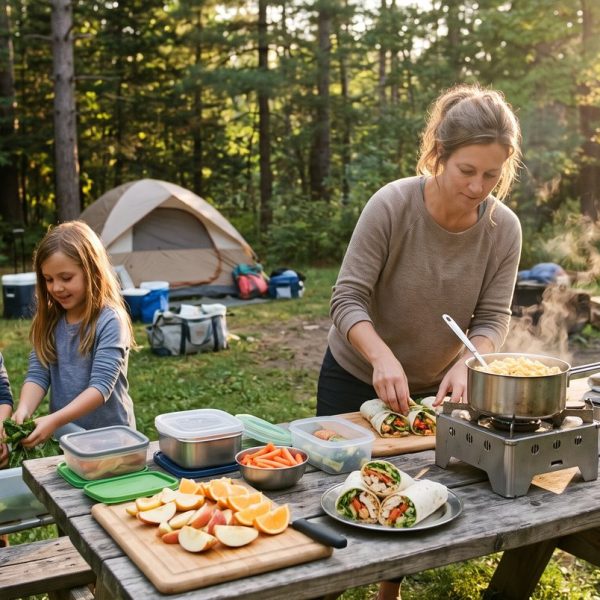
Fresh air and long days outside make kids hungry. Really hungry. On a camping trip, food is fuel, comfort and entertainment all at once. But it is easy to fall into a pattern of chips, hot dogs and candy for three days straight, and then wonder why everyone is cranky.
With a little planning, camp food can be simple, healthy and fun. This checklist covers what to pack, how to keep food safe without a fridge and a few easy meal ideas that kids actually like.
Plan Your Meals Before You Shop
Write down every meal and snack for the trip before you go to the store. It sounds tedious, but it saves money, prevents waste and makes sure nobody is hungry at 9 p.m. with nothing to eat. A simple plan for a two-night trip looks like this:
- Day 1: packed lunch for the drive, foil-packet dinner at camp
- Day 2: oatmeal breakfast, wraps for lunch, pasta dinner
- Day 3: pancakes for breakfast, picnic lunch on the way home
Let kids choose one meal or snack each. They are more likely to eat what they picked.
Healthy Snack Checklist
- Apples, oranges, bananas and grapes
- Carrot sticks, snap peas, cucumber and cherry tomatoes
- Cheese sticks and cheese cubes
- Whole grain crackers and rice cakes
- Trail mix with nuts, seeds and dried fruit (check for nut allergies)
- Hummus or nut butter in small squeeze packs
- Hard-boiled eggs, cooked and peeled at home
- Popcorn, which you can pop over the stove
Pack snacks in small reusable bags, one per child per day. It stops arguments and keeps portions sensible.
Easy, Healthy Camp Meals
Breakfasts: overnight oats made at home in jars, oatmeal with fruit and cinnamon, scrambled eggs with vegetables, whole grain pancakes from a pre-mixed bottle.
Lunches: wraps with chicken, beans or hummus and crunchy vegetables, pasta salad made at home, sandwiches with a fruit side.
Dinners: foil packets with chicken or fish, potatoes and vegetables cooked over the coals, one-pot pasta with tomato sauce and spinach, bean chili, or tacos with all the fillings in separate containers so kids can build their own.
A cast iron Dutch oven is a great tool for longer trips. It can bake, stew and fry, and kids love watching dinner cook in the coals.
Camp Kitchen Basics
- Camp stove and enough fuel, plus a lighter
- One large pot and one frying pan
- Cutting board and a sharp knife with a cover
- Long spoon, spatula and tongs
- Reusable plates, bowls, cups and cutlery
- Aluminum foil for foil-packet meals
- Washing tub, biodegradable soap and a sponge
- Paper towels or cloths, and trash bags
- Large water container and a bottle for each person
Keep Food Safe Without a Fridge
Food safety matters even more outdoors, where warm days can spoil food quickly. A few rules keep tummies happy:
- Use a well-insulated cooler and pre-chill it before packing.
- Freeze water bottles and meat at home. They act as ice packs and thaw slowly.
- Keep raw meat sealed and at the bottom of the cooler.
- Use separate coolers for drinks and food, so the food cooler is opened less often.
- Keep the cooler in the shade, and drain melted ice regularly.
- Wash hands or use hand sanitizer before cooking and eating.
- When in doubt about something that has been warm too long, throw it out.
Drinks and Hydration
Kids often forget to drink when they are busy playing. Give each child their own water bottle and make refilling it a game. Add slices of lemon, orange or cucumber for flavor. Limit sugary drinks, which can make energy crash later. On hot days, watch for signs of dehydration, like tiredness, headaches or very little need for the bathroom.
Tips for Picky Eaters
New places can make picky eaters even pickier. Bring at least one "safe" food each child always eats, like plain pasta, toast or a favorite cereal. Serve new foods next to familiar ones rather than instead of them. Build-your-own meals, such as tacos, wraps or yogurt bowls with toppings, give kids control and often lead them to try something new. And remember that a few days of simple eating will not hurt anyone. Being outside, active and happy matters more than a perfect plate.
Plan Ahead for Allergies
If anyone in the family has a food allergy, read every label before you pack, bring any prescribed medicine and keep it in an easy-to-reach spot, not buried in the car. Tell the other adults on the trip where it is and what to do in an emergency.
A Treat or Two Is Part of the Fun
Healthy does not mean no treats. S'mores around the fire are a camping tradition for a reason. Try a fruity twist with strawberry or banana slices, or let kids make their own trail mix with a few chocolate chips. Balance is the goal.
Get the Kids Cooking
Children who help cook are more likely to eat what they made. Give them safe jobs: washing vegetables, stirring the oatmeal, wrapping foil packets or setting the table. A family-friendly guide on Times Bay points out that involving kids in planning and packing makes them feel part of the adventure, and the same goes for food. Before you finalize your camping checklist with kids, sit down together and let them help choose the menu.
Eat Well, Camp Happy
Good camp food does not need to be fancy. Plan your meals, pack plenty of fruit and vegetables, keep the cooler cold and let the kids help. You will spend less, waste less and have a happier, more energetic crew ready for the next adventure.