A Simple Weekly Healthy Eating Plan You Can Actually Follow
Most people know that vegetables are good for them. The hard part is turning that knowledge into dinners that actually happen on a busy Wednesday. A healthy eating plan works best when it is simple, flexible and kind to your budget. This guide walks through a practical weekly approach, with easy recipe ideas and tips you can start using this week.
Start with a balanced plate
You do not need complicated rules. Public health guidance, such as the NHS Eatwell Guide, suggests building meals around vegetables and fruit, whole grains, some protein and a moderate amount of healthy fats.
A handy picture is the plate itself. Fill about half with vegetables or fruit, a quarter with whole grains such as brown rice or oats, and a quarter with protein such as beans, eggs, fish or chicken.
A good plan is one you can repeat, not one that looks perfect on paper.
Plan the week in five minutes
Pick three or four dinners and let leftovers cover the rest. Write them on a sticky note and stick it on the fridge. Planning removes the daily question of "what should we eat?", which is when takeaway menus tend to win.
A simple template looks like this: one fish or egg meal, one bean or lentil meal, one chicken or lean meat meal, and one flexible meal such as soup or stir-fry with whatever vegetables you have.
Shop with a list
Shopping with a written list reduces impulse buys and wasted food. Start at the fresh produce section, then move to grains, proteins and dairy, and leave snacks for last.
Frozen vegetables and fruit are a smart choice. They are picked ripe, cost less and keep for months, which makes a quick meal possible even when the fridge is empty.
Compare labels for sugar, salt and saturated fat, and choose products with short ingredient lists when you can.
Easy recipe ideas for busy days
Here are a few simple meals that need little time and few skills:
Overnight oats with berries and yogurt for breakfast. A big salad with chickpeas, tomatoes and olive oil for lunch. Baked salmon with roasted vegetables and potatoes for dinner. Lentil soup with whole-grain bread when the weather turns cold. Vegetable omelette with a side of fruit when you need something in ten minutes.
Swap ingredients freely. Spinach can replace kale, and chicken can replace tofu. The pattern matters more than the exact recipe.
Meal prep without the stress
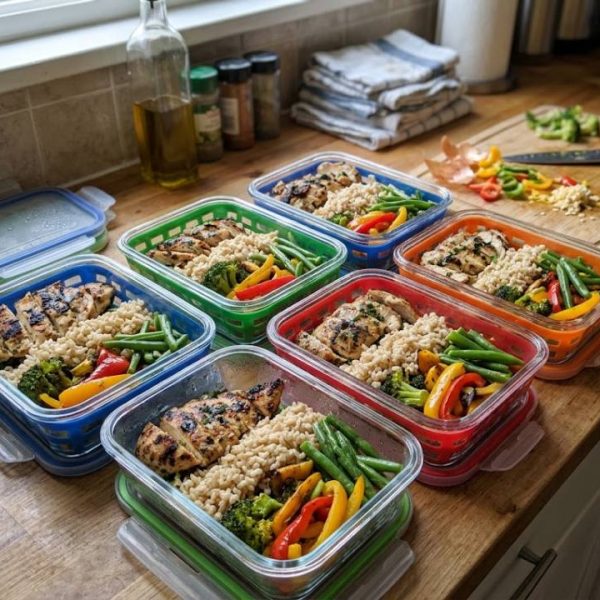
You do not need to cook for five hours on Sunday. Two small tasks make a large difference: cook a pot of grains and roast a tray of vegetables. Store them in containers, and combine them with different proteins and sauces during the week.
Wash and chop salad ingredients when you get home from the shop, so they are ready to grab. Keep sauces and dressings in small jars to add variety.
Eating well when you cook from other cuisines
Many healthy traditions come from other countries: Mediterranean fish and olive oil, Japanese miso soup, Lebanese salads and French vegetable stews. Following an original recipe in another language helps you cook it the way the author intended, and if you enjoy reading cookbooks from abroad, a source such as French translation services can make a family recipe or a regional cookbook easier to use at home.
Food companies know this too. Packaging that speaks clearly to shoppers builds trust, as explained in this article on why consumers buy in their native language.
Healthy snacks and drinks
Snacks can support your plan if they include fiber and protein. Fruit with nuts, carrot sticks with hummus, plain yogurt with seeds or a small piece of cheese with whole-grain crackers keep hunger steady.
Water is a good default drink. If you find it dull, add slices of lemon, cucumber or mint. Limit sugary drinks and keep sweets as an occasional treat rather than a banned item.
Handle eating out and social events
A plan must survive restaurants, birthdays and holidays. Choose dishes with vegetables or fish, share a dessert and eat slowly. One meal does not change your health. What counts is the general pattern over weeks and months.
Common mistakes to avoid
Cutting out entire food groups, skipping meals all day and then overeating, and chasing trendy superfoods are common pitfalls. Extreme rules are hard to keep and often lead to frustration.
Aim for steady progress. Add one more vegetable to a meal, switch one refined grain to whole grain or cook one extra meal at home each week.
Make it work for your life
Families, students, shift workers and older adults all have different needs. A student might rely on batch-cooked beans and rice, while a parent might choose sheet-pan dinners that need one tray and little cleanup.
Involve the people you eat with. When everyone helps choose and cook meals, the plan feels shared and lasts longer.
This article offers general nutrition education and is not personal medical or dietary advice. If you have a health condition or special dietary needs, please talk to a doctor or registered dietitian.