Healthy Eating Plans That Fit Real Life
Most eating plans fail for the same reason. They are designed for an ideal week that never happens. Real weeks include late meetings, tired evenings, family dinners and birthday cake. A plan that survives those weeks is built on flexibility, not perfection.
Here is a practical way to create one, with habits that are simple enough to keep.
Start With What You Already Eat
Before changing anything, write down what you eat for a week. Include snacks and drinks. You will notice patterns, such as skipped breakfasts, heavy late dinners or sugary afternoon drinks. Small changes to the patterns you already have are easier than a complete reset.
Keep the tone neutral. The goal is information, not judgement.
Build Meals Around a Simple Plate
A balanced plate is easy to remember. Fill about half with vegetables and fruit, a quarter with protein such as fish, eggs, beans, poultry or tofu, and a quarter with whole grains or starchy vegetables. Add a small portion of healthy fat, like olive oil, nuts or avocado. This pattern works for breakfast, lunch and dinner and adapts to nearly every cuisine.
The World Health Organization fact sheet on healthy diet gives clear, evidence based recommendations on fruit, vegetables, fats, sugar and salt.
Plan the Week in Ten Minutes
Pick three or four dinners, one or two breakfasts and a couple of snack options. Write a shopping list based on them. A short list stops impulse buying and makes healthy choices the easy ones. Leave one or two evenings open for leftovers or meals out.
Cook Once, Eat Twice
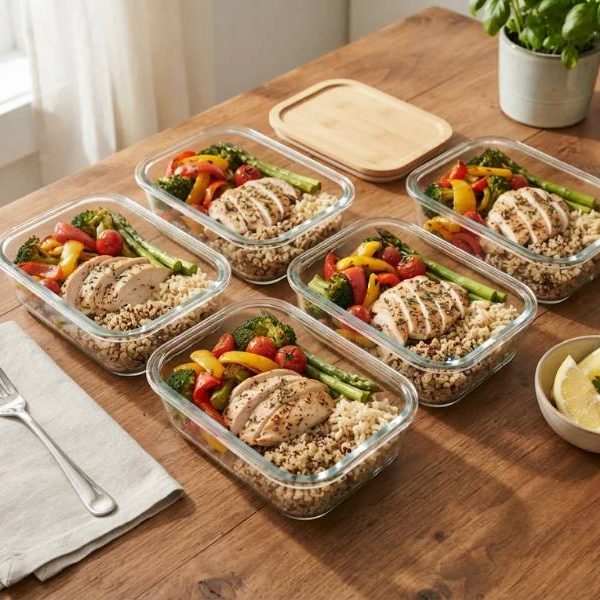
Batch cooking saves time and keeps good food ready. Roast a tray of vegetables, cook a pot of grains or beans and prepare a protein on Sunday. Combine them in different ways during the week, using different sauces and spices to avoid boredom. Glass containers keep food fresh and make reheating simple.
Smart Shopping
Shop the edges of the supermarket, where fresh produce, dairy and proteins are usually placed. Choose frozen vegetables and fruit, which are often as nutritious as fresh and last longer. Read labels for added sugar, sodium and long lists of unfamiliar additives. Buying in season lowers costs and improves flavour.
Many shoppers also reach for supplements at this point, especially in autumn. Before you add a bottle to the basket, it is worth reading this clear-eyed look at vitamins for your immune system, which separates the nutrients with real evidence from the overhyped ones, explains why food comes first and covers when a supplement is actually worth taking and whether you can take too much.
Learning From Other Cuisines
Some of the healthiest meals come from traditional diets around the world. Mediterranean dishes lean on vegetables, legumes and olive oil. Vietnamese cooking uses fresh herbs, broths and lean proteins. If you read recipes or product labels in other languages, accurate translation matters, especially for allergens. Businesses that import specialist foods can work with Vietnamese translation services to prepare reliable ingredient lists and instructions.
Reading Recipes and Labels From Abroad
Recipes translated with software often confuse units and ingredient names. A cup, a spoonful or a clove can differ between countries. When a recipe comes from Poland, for instance, this guide to Polish to English translation explains how culinary terms and measures can change meaning.
Eat Mindfully, Not Perfectly
Slow down. Sit at a table, put the phone aside and notice when you feel full. Eating slowly gives your body time to send fullness signals. Allow treats without guilt. Forbidden foods tend to become more tempting, while planned treats fit easily into a balanced week.
Hydration and Drinks
Water, unsweetened tea and coffee in moderation are good everyday choices. Sugary drinks, including juice, add calories quickly. If you find plain water boring, add lemon, cucumber or mint. Pay attention to alcohol, which adds calories and can disturb sleep.
Special Diets and Medical Conditions
People with diabetes, allergies, kidney disease or other conditions need guidance from a doctor or registered dietitian. General advice cannot replace individual care. Children, pregnant women and older adults also have specific needs, so seek tailored advice when in doubt.
Breakfast Ideas That Take Five Minutes
Overnight oats with fruit and yogurt, eggs on whole grain toast, or a smoothie with spinach, banana and milk are quick and filling. Prepare components the night before, such as chopped fruit or boiled eggs, so that mornings run smoothly. A protein rich breakfast helps many people feel satisfied until lunch.
Snacks Without the Sugar Spike
Keep easy options within reach. Nuts, fruit, carrot sticks with hummus, cheese with crackers or plain yogurt provide energy and keep hunger steady. Portion snacks into small containers in advance, since eating straight from a large bag makes it easy to lose track.
Eating Well on a Budget
Beans, lentils, eggs, oats, seasonal vegetables and frozen fish are inexpensive and nutritious. Cooking at home costs far less than takeaway. Plan meals that reuse ingredients, and freeze portions before they spoil.
Eating Out Without Losing Track
Restaurants are part of life. Look at the menu in advance, choose grilled, steamed or roasted dishes, and share dessert. Ask for sauces on the side if you want to control portions. One meal out does not undo a week of good habits.
Making It Last
Choose one change at a time, such as adding a vegetable to every dinner or swapping sugary drinks for water. Practise it for two weeks, then add another. Progress built in small steps is far more likely to last than a dramatic overhaul, and it leaves room for the real life that happens in between.